The background of the Church of Jesus Christ of Latter-Day Saints, often referred to as the Mormon Church, holds a intricate story regarding race relations, especially with regards to Blacks in Mormonism. This article will present an objective look at how Black people were historically treated within the Mormon Church. We will look at the policy restrictions which were enforced, as well as the Church’s evolution to abandon past beliefs and racist practices.
Blacks and Mormonism – A Historical Perspective
Between 1852 and 1978, the Mormon Church enforced a policy which barred blacks from Mormonism from priesthood ordination. This restriction was based on the beliefs in the scriptures and racial beliefs of the time. Black people were not allowed certain Church rituals and obligations that led to a secluded Mormon community. It is important to recognize that this discriminatory practice was not exclusive to Mormonism however, it revealed the pervasive racism which were prevalent in American society in the era of.
Mormon Black People and the 1978 Revelation
A major turning point took place in 1978 when the president of the Church, Spencer W. Kimball was blessed with what Mormons consider to be a divine revelation concerning the exclusion of Black people from priesthood. The revelation, which is considered to be an important moment, ended the restriction that had been in place for more than 100 years. The Church of Jesus Christ of Latter-Day Saints confirmed that Black individuals could now hold the priesthood and be fully involved in all aspects of the Church.
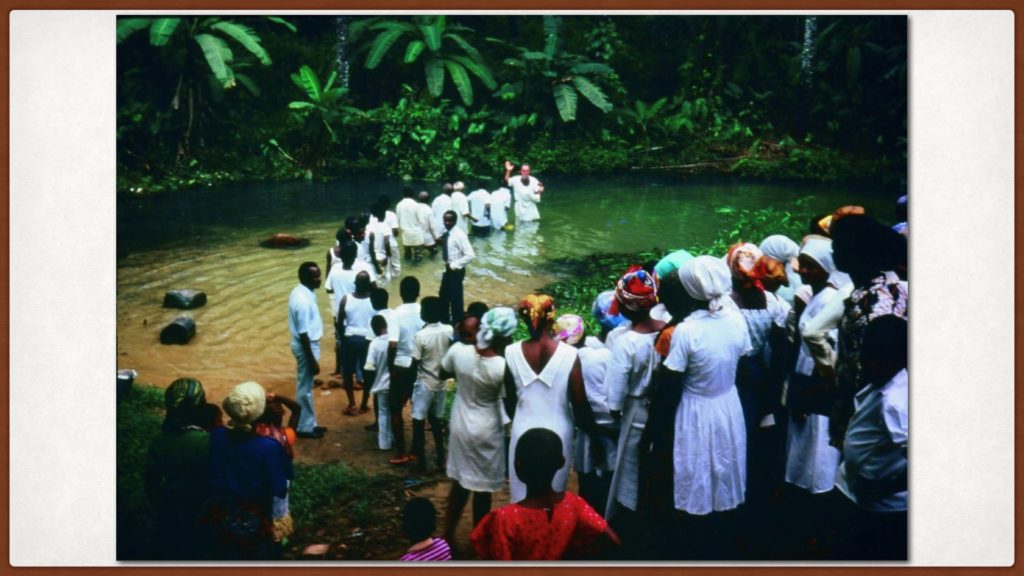
Today, the Church has rejected discrimination against people of color, and invites all people, regardless of their race, to accept Jesus Christ. The current doctrine affirms that everyone is equal and affirms God’s unconditional acceptance of everyone regardless of their race, gender, social status, or other factors.
Joseph Smith’s Fair Treatment of Black Individuals
In spite of the racial prejudices of his time, the Mormon Church’s founder, Joseph Smith, demonstrated relatively fair treatment of Black individuals. Joseph Smith is known to have appointed Blacks to the priesthood in his lifetime. This practice was consistent with Smith’s principles of equality and inclusion in the Church. However, the subsequent leaders put in place policies that prevented Priests of African descent from becoming priests which reflected the changing attitudes toward race in the mid-19th-century.
Racism It is something to address and moving towards a united front
In the present The Church of Jesus Christ of Latter-Day Saints has taken substantial steps to address the consequences of racism and seek unity among its members. The Church’s leadership has released statements that denounce previous racial practices and beliefs. The Church’s leadership has issued statements disavowing the past racial beliefs and practices.
The Church aims to promote compassion, understanding and love in its diverse membership. It affirms the value and worth for every person. Members are educated on the importance and rejection of prejudiced views, as well inclusion, cultural awareness and sensitiveness.
The conclusion of the article is:
Understanding the past of Blacks in Mormonism and the Church of Jesus Christ of Latter-Day Saints’ progress in dealing with issues of race is vital in fostering unity and encouraging equality. This unpopular policy, which restricted Blacks being ordained into the priesthood for more than 100 years, is a crucial aspect of the Church’s history. However, the subsequent revelation in 1978 marked a turning point, signaling the Church’s commitment to inclusion and equality.
The current policy of the Mormon Church is to reject the discrimination of racism, to affirm equality and encourage acceptance and love within its members. In addressing the prejudices of history against race and taking actions in the direction of progress in this direction, the Mormon Church is moving in the direction of mutual understanding and unity.