In the realm of homeownership, safety and maintenance go hand-in-hand. As the owners of our homes It is our responsibility to make sure that our homes are refuges of security and comfort. The aging oil tanks hidden into our backyards or basements could pose a hidden danger. Although these tanks have served as heating oil, keeping our homes warm and cozy but they also present an enormous risk if they are not adequately managed. This is where the essential process of oil tank removal comes in, providing us with not just a more secure atmosphere, but also an opportunity to take a step towards a sustainable future.
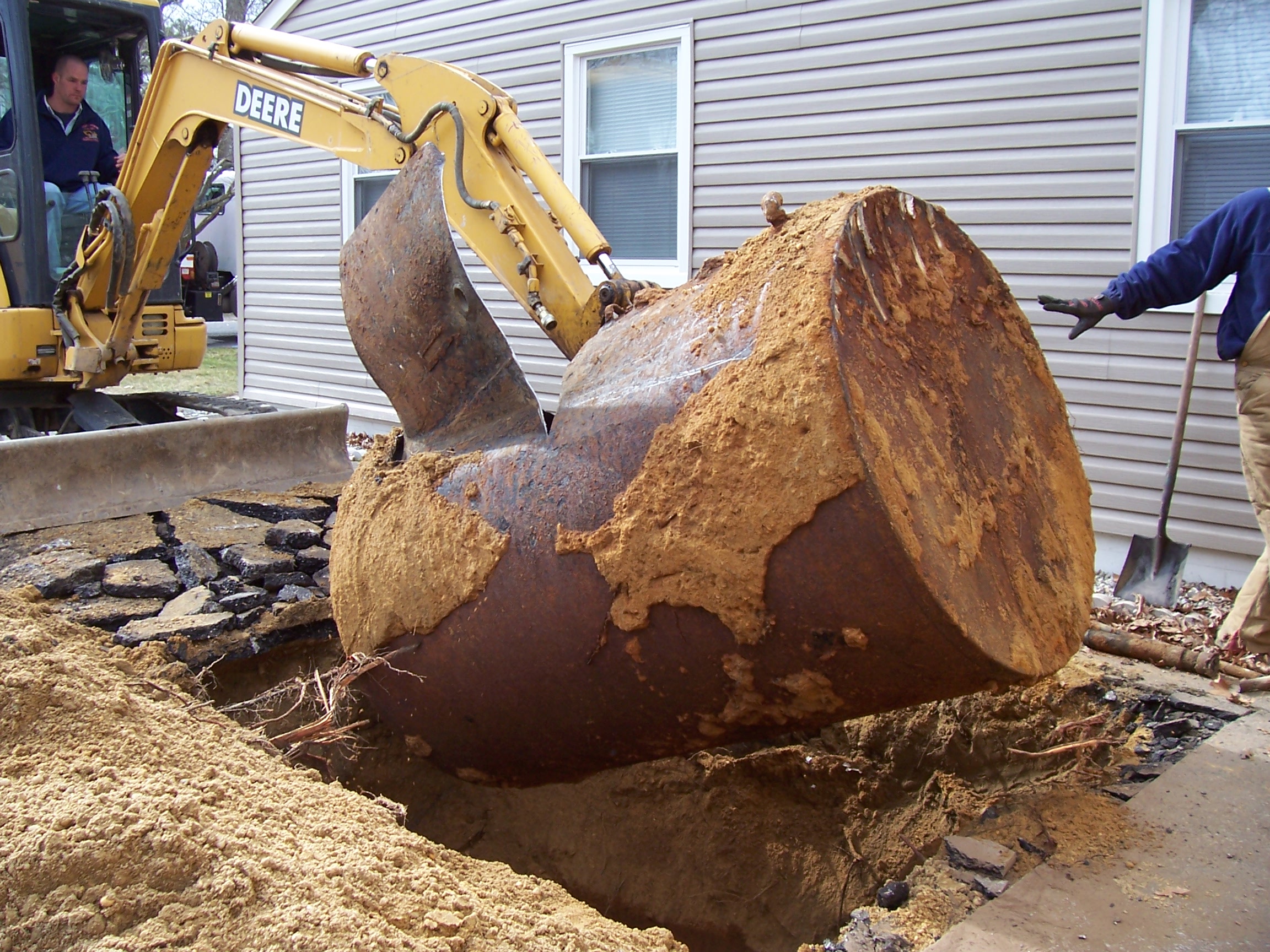
This complete guide will assist you in navigating the complex world of disposing of oil tanks by providing information on important aspects such as oil tank removal prices as well as emergency services and safety. This guide will give you the details you require, whether you are a homeowner seeking to remove a potentially hazardous tank or have a neighbor worried about the safety of it.
We often spend a lot of energy into improving the appearance and functionality of our homes. Tanks for oil, which are often concealed under the exterior of a home but are often ignored. In time, these tanks which have stored heating oil for many years will corrode and cause leaks and contamination of the surrounding environment. They can also be alarm clocks and could pose serious security risks, like fires and health hazards. Realizing the importance of proactive actions, many homeowners are opting to oil tank removal in order to protect their property, family members, as well as the environment.
The removal of the oil tank requires a delicate dance of precision, expertise and the observance of regulations. It’s not a simple matter of removing the old tank and dumping it. Tank removal for oil requires a meticulous approach which begins with an assessment of the tank’s potential impact on the environment. Tanks are safely removed using specialized equipment. This prevents spills and contamination.
Although safety is our top priority, we recognize that finances play a significant factor in the decision-making process for any homeowner. Costs for removal of oil tanks can be affected by factors such as tank size, site, soil remediation and many more. Don’t think of this as an expense. Instead, consider it an investment that will ensure the safety of your family and home for years to come. When you’ve received estimates from trustworthy companies that eliminate oil tanks and look at the environmental costs that come with destruction, you’ll be able make a decision according to your budget and priorities. For more information, click oil tank removal cost
Similar to oil tank problems. A tank of oil that is leaky or damaged is likely to have serious consequences. This is why it’s imperative to take action immediately. Thankfully, reliable emergency oil tank removal services are available for quick response to emergency circumstances. Experts can determine the urgency and contain any leaks. They’ll then commence the removal procedure without delay. Their rapid response could make the difference between stopping contamination and safeguarding your property.
Oil tank removal is not just a precautionary measure, but also a way to contribute to achieving the most sustainable and eco-friendly future. You can protect your property and the natural environment by eliminating the dangers associated with older tanks. The proper disposal of old tanks ensures that hazardous substances don’t seep into the soil or enter water sources, which improves the overall health of your local community and further.
You’ll be able to enjoy peace of mind by putting your trust in experts with experience to take on the difficult job of the removal of heating oil tanks. Expertise matters, and trusting the expertise of experts will ensure a smooth and secure removal process. Their track record in ensuring the safety of your family and belongings is demonstrated. Be sure to protect yourself. Delegate the task of removing your heating oil tanks to professionals. They will ensure a smooth transition, free of potential hazards and worry.