Septic tank risers tend to be overlooked by homeowners when it comes time to maintain the septic tank. These basic, yet essential parts provide easy access to the septic tanks. This makes regular inspections or maintenance as well as pumping much easier. When you install risers to your tank, you can eliminate the need for excavating the ground every time a service needs to be performed. It saves you time and cost, in addition to decreasing the disturbance to your landscape. Septic tank risers also minimize the chance of accidents or injuries that may result from maintenance work since they offer the safety of a well-lit and accessible entry point into the tank.
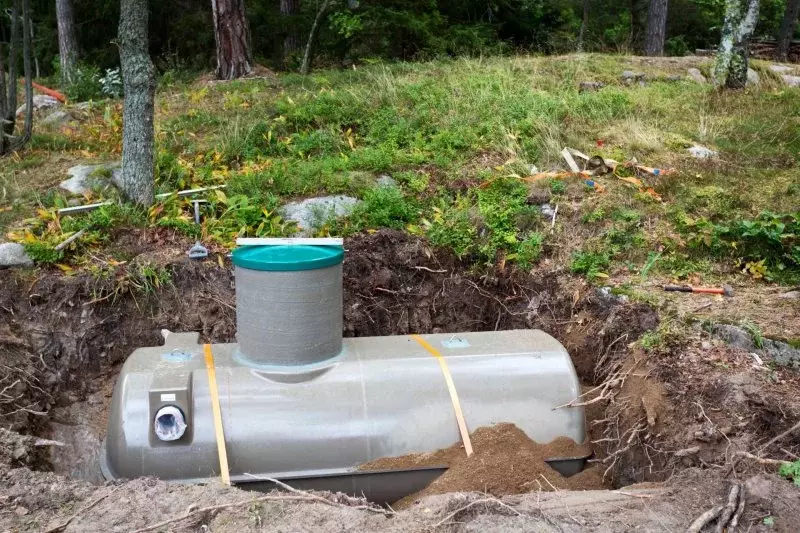
A healthy septic tank is maintained by managing the effluent. Effluent refers to the liquid waste that drains out of the septic tank to the drain field to be treated. The combination of bacteria, organic matter, and water is known as effluent. The solid particles can accumulate at the bottom of the drain and create sludge over time. If not taken care of promptly, the sludge could build up and block the system, leading to backups, unpleasant odors, and even damage to the drain field. Regular pumping and effluent control ensure that the septic tanks operate efficiently, preventing the formation of blocks and extending their lifespan.
Proper drainage is an essential component of the functionality of a septic system. When water from your home is pumped into the septic tank it goes through a natural process of separation. Solid waste settles at the bottom while oil and lighter materials rise onto the top of the tank, forming an overgrowth of scum. The residue of liquid, known as effluent or effluents exits the tank and goes into the drainfield to further filter. A properly designed drainage system will allow the effluent to flow freely, avoiding flooding and back-ups. The drainage pipes should be free of any obstructions such as roots or debris that could obstruct the effluent’s flow. Regularly performing inspections and maintenance on the drainage system can help to prevent expensive repairs and pollution to the environment.
The best septic system for your house can influence the hygiene and performance of your home. Before making a final decision you need to take into consideration a number of aspects. Determine the dimensions of your septic system by analyzing the water consumption average of your household, as well as the number of inhabitants. If you are a large family or frequently entertain guests, a larger tank is needed. Take into consideration the material that is used to build the tank. The most popular options are concrete, fiberglass, and plastic. Each material has advantages and disadvantages depending on its durability, cost, and maintenance. In addition, you should check the regulations and standards set by the local authorities for septic tank installations. It is recommended to select a tank to meet the standards required and that complies with all standards.
Finally, you should consult a qualified septic system installer who can assess your property’s needs and provide you with expert advice depending on the soil condition and topography. Consider these factors to ensure you select the septic tank which best fits your home and provides an efficient and secure system of managing wastewater.
To ensure a healthy and reliable septic system functions, it’s crucial to make sure the septic tank works properly and is maintained. It is also helpful to install risers and ensure proper drainage. Septic tanks are the primary treatment of household wastewater. Effluent management is the procedure that guarantees the safe disposal of treated liquid waste. The septic tank is accessible easily and securely by utilizing a septic tank riser. A proper drainage system ensures a steady flow of effluent, which prevents system failures. In the long run, focusing on these issues and following regular maintenance procedures will ensure that the septic systems are sustainable, efficient, and durable. This creates a healthier and safe living space.